

The Volume Eating Protocol: Satiety Without Scarcity
Learn how to maximize portion size through high-density vegetables while maintaining a metabolic deficit. Perfect for those struggling with constant hunger cues.
22 Min Read
View Guide
Explore our curated archival collection of deep-dive nutrition guides. Each entry is designed to bridge the gap between Mediterranean tradition and biochemical necessity, focusing on sustainable weight management through whole food mastery.

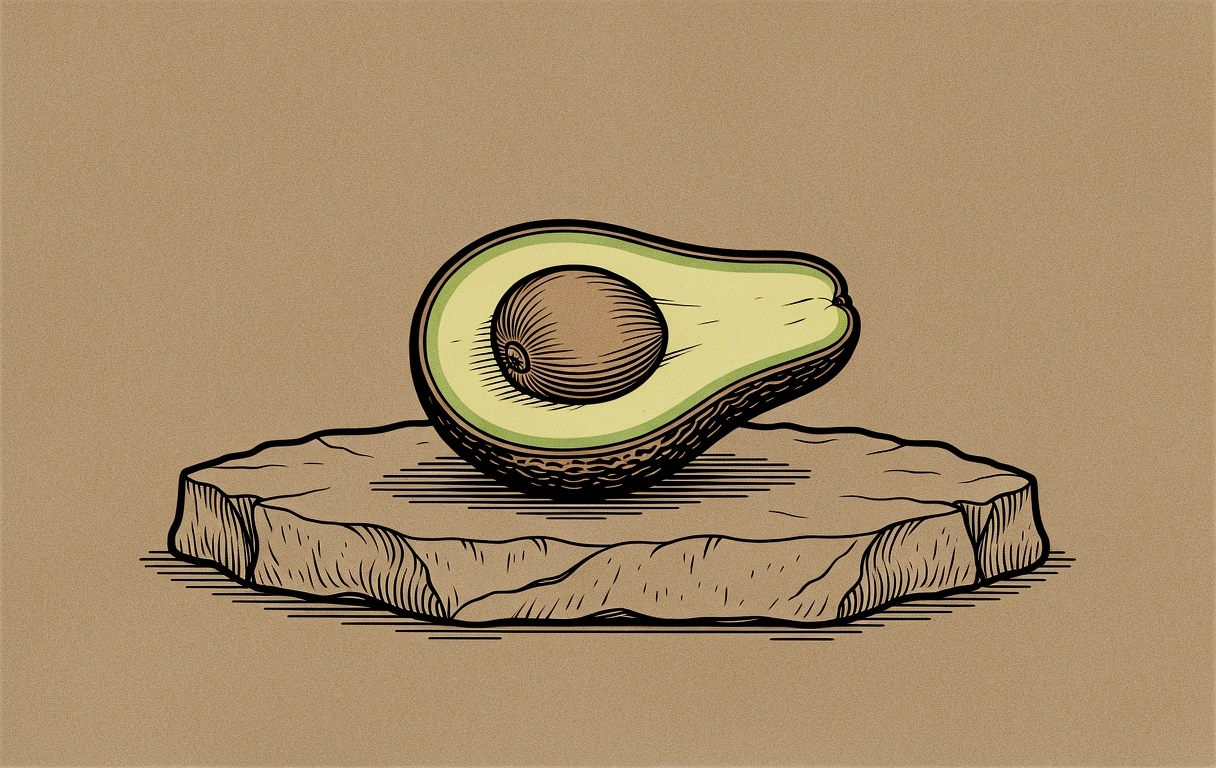
Often misunderstood in weight management, monounsaturated fats found in our local Murcia harvests—specifically olives and almonds—act as metabolic anchors. They slow sugar absorption and signal satiety to the brain, stabilizing energy during an active lifestyle.
Reduces glycemic variability when paired with complex carbohydrates.
Extends internal hunger-suppression markers by up to 180 minutes.
Learn how to maximize portion size through high-density vegetables while maintaining a metabolic deficit. Perfect for those struggling with constant hunger cues.

A deep dive into selecting seasonal fruits with the highest nutrient density. Includes a calendar of local regional availability.

Analyzing the biochemical overlap between thirst and hunger. Practical strategies for maintaining fluid balance during heat or intensive movement.
Nutrition is a craft that requires the right tools. Download our proprietary field guides to assist your daily transitions—focused on Murcian seasonality and evidence-based serving adjustments.
PDF / 4.2 MB — Updated May 2026
PDF / 1.8 MB — Active Lifestyle Protocol

Clarity of language leads to clarity of action. Master the terms essential for understanding your body's nutritional responses.
The metabolic pathway that results in the generation of glucose from non-carbohydrate substrates, such as lactate, glycerol, and glucogenic amino acids.
A hormone predominantly made by adipose cells that helps to regulate energy balance by inhibiting hunger, which in turn diminishes fa storage.
A measurement used to describe how filling a food is based on its volume, fiber content, and protein density relative to its total energy value.
The ratio of dietary fiber to total volume of food, a key metric for maintaining digestive health and regulating bowel transit time during caloric shifts.
A value that estimates how much the food will raise a person's blood glucose level after eating it, accounting for the amount of carbohydrate in a serving.
The capacity for the organism to adapt fuel oxidation (glucose or fatty acids) to fuel availability, often restricted in those with chronic weight issues.
While our guides provide the baseline, individualized consulting accounts for your personal cultural habits, food preferences, and metabolic history. Let us translate the science into your specific lifestyle.
Nutricionista Obesidad — Murcia, Spain — +34 968 725 910